Bone Grafts Before Dental Implants: What You Need to Know
If you have been told you need a bone graft before getting a dental implant, you are not alone. Many patients in Chhatarpur, New Delhi hear this and worry it means something has gone wrong. In most cases, it simply means your jawbone needs a little extra support before it can safely hold an implant. This article explains why grafts are needed, what the procedure involves, how long healing takes, and what success rates look like.
Why Would You Need a Bone Graft?
A dental implant works like an artificial tooth root. It needs a certain amount of healthy, dense jawbone around it to stay stable for years to come. When bone is missing or too thin, the implant may not have enough support to integrate properly.
Common Reasons for Bone Loss
- Teeth missing for a long time, which causes the surrounding bone to shrink
- Gum disease that has damaged the bone around the teeth
- An old extraction where the socket was not preserved
- Injury or trauma to the jaw
- Sinus proximity in the upper back jaw, which can limit available bone height
Our dentists assess your bone using a dental X-ray or a 3D CT scan. This helps us measure the width and height of bone precisely, rather than guessing based on appearance alone.
Types of Bone Grafts Used Before Implants
There are a few different grafting approaches depending on how much bone is missing and where.
- Socket preservation: Done right after a tooth extraction to stop bone from shrinking before an implant is planned
- Ridge augmentation: Rebuilds width or height along the jaw where bone has already resorbed
- Sinus lift: Adds bone beneath the sinus in the upper jaw when there is not enough height for an implant
- Block grafting: Used for larger defects, often using bone from another part of your own jaw
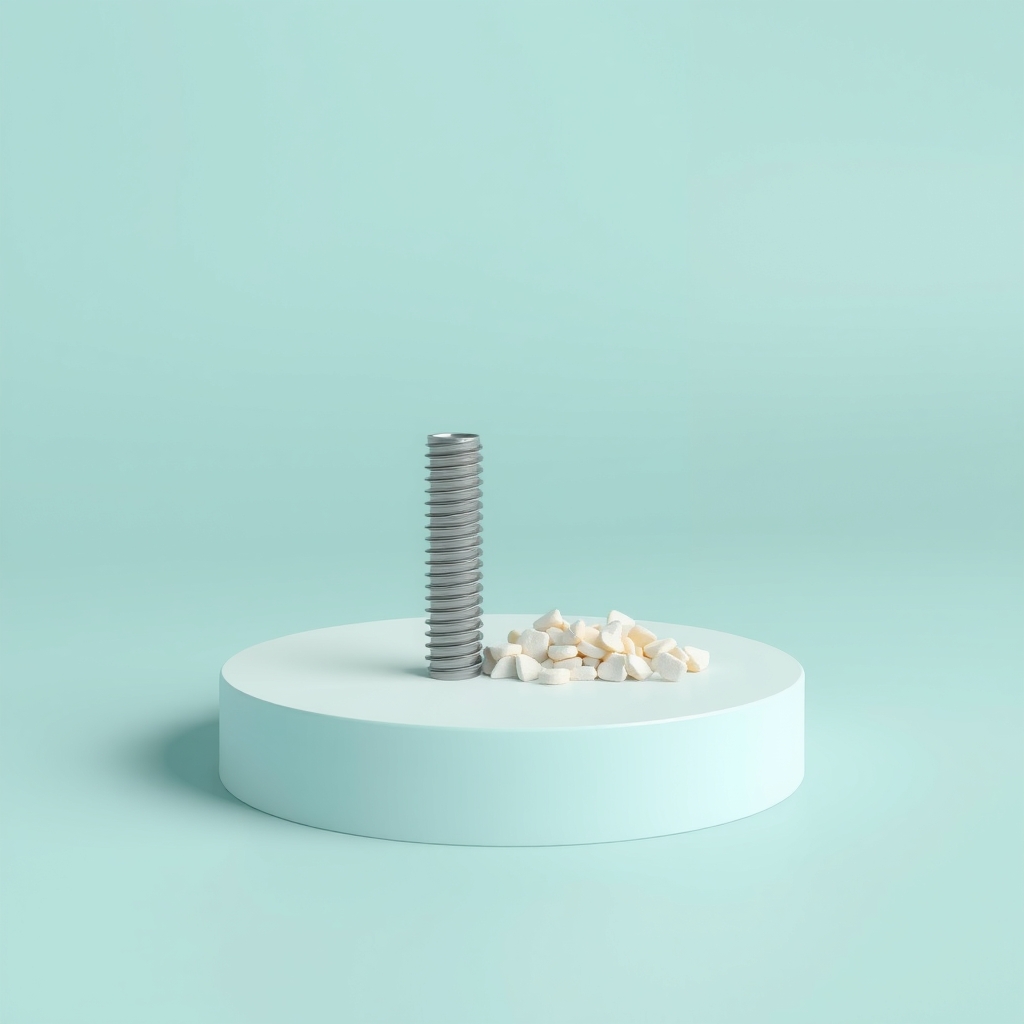
Graft material can be your own bone, a safe processed donor or synthetic bone substitute, depending on your case and what we discuss with you in advance.
What Happens During the Procedure
The bone graft procedure is usually done under local anaesthesia in our clinic, similar to a minor dental surgery.
- The gum is gently opened to expose the bone area
- Graft material is placed in the area that needs building up
- A protective membrane may be placed over the graft to keep it stable
- The gum is stitched closed and allowed to heal
The appointment itself typically takes between 45 minutes to a couple of hours, depending on the size of the graft.
Healing Time Before Implant Placement
Healing time depends on the size and type of graft.
| Graft Type | Typical Healing Time |
|---|---|
| Minor socket preservation | 3 to 4 months |
| Ridge augmentation | 4 to 6 months |
| Sinus lift | 5 to 8 months |
| Large block graft | 6 to 9 months |
During healing, the graft fuses with your existing bone, a process called osseointegration. We monitor progress with follow-up visits and imaging before moving ahead with implant placement.
Success Rates and What Affects Them
Bone grafting before implants has a high success rate when done by an experienced team and followed by good aftercare. Most studies show success rates in the range of 90 to 95 percent for graft integration.
Several factors influence healing and long-term success:
- Smoking, which slows healing and increases failure risk significantly
- Uncontrolled diabetes or other conditions affecting healing
- Oral hygiene during the healing period
- Following post-procedure instructions and attending follow-up visits
We discuss your individual risk factors honestly during your consultation so you know what to expect.
What About Cost?
Bone graft costs in Chhatarpur, New Delhi vary depending on the type and size of graft needed, and whether a sinus lift or membrane is involved. As a typical range, simple socket preservation tends to cost less than a full sinus lift or block graft. We provide a detailed, itemised estimate only after your scan and consultation, since treatment plans differ from patient to patient.
Is a Bone Graft Right for You?
The only way to know for certain if you need a bone graft is through a clinical exam and imaging. Many patients are surprised to learn they need only a minor graft, while others need no grafting at all. Book a consultation with our team at Dr Vijay's Dental SPA in Chhatarpur Enclave, New Delhi to get a clear picture of your bone health and the right path toward a stable, long-lasting implant.
Have questions about your teeth?
Dr Vijay's Dental SPA · Chhatarpur Enclave, New Delhi
Frequently asked questions
Is a bone graft always needed before dental implants?
No. Many patients with adequate jawbone can get implants without any grafting. A graft is only recommended after our dentist examines your X-ray or CT scan and finds insufficient bone width or height to support the implant securely.
Is the bone graft procedure painful?
Most patients report mild to moderate discomfort for two to three days, similar to a tooth extraction. We use local anaesthesia during the procedure and prescribe pain relief medication for the days after.
Can I get the bone graft and implant done on the same day?
Sometimes, if the bone loss is minor, a graft can be placed at the same time as the implant. For larger grafts, we usually wait for the graft to heal and integrate first, which gives a stronger foundation for the implant.
What happens if I skip the bone graft and go straight to implants?
Placing an implant into thin or soft bone raises the risk of the implant not integrating properly, shifting, or failing over time. We recommend grafting when needed to protect the long-term success of your implant.
Treatment costs mentioned on this page are indicative ranges for the Chhatarpur, New Delhi region. Your exact cost depends on your case and will be confirmed after a clinical examination at the clinic.