Sugar-Free Gum and Your Teeth: Myths vs Facts
Walk into any shop near Chhatarpur Enclave and you will see rows of chewing gum, many labelled "sugar-free" or "with xylitol." Patients at our clinic often ask the same question: is this gum actually good for teeth, or is it just clever marketing? The honest answer lies somewhere in between, and it depends on the type of gum, how often you chew, and your overall oral hygiene.
How Chewing Gum Affects Cavity Risk
Cavities form when bacteria in dental plaque feed on sugars and release acid that wears away enamel. This is why sugary gum, candies, and sticky snacks are genuinely harmful to teeth. They feed the bacteria directly and keep the mouth acidic for longer.
Sugar-free gum removes that sugar source, so it does not feed decay-causing bacteria the same way. Gums sweetened with xylitol go a step further. Research suggests xylitol is not easily used by the main cavity-causing bacteria, Streptococcus mutans, which may reduce their ability to stick to teeth and produce acid over time. This does not mean xylitol gum actively "kills" cavities or reverses existing decay. It simply removes a feeding source and may modestly lower bacterial activity when used consistently over weeks and months.
What the Evidence Actually Supports
- Sugar-free gum does not add fuel to the decay process the way sugary snacks do.
- Xylitol gum, chewed regularly after meals, may contribute to a small reduction in new cavity formation, mainly in people who chew consistently over a long period.
- Gum is a helpful habit alongside brushing and flossing, not a replacement for them.
Saliva Production and Why It Matters
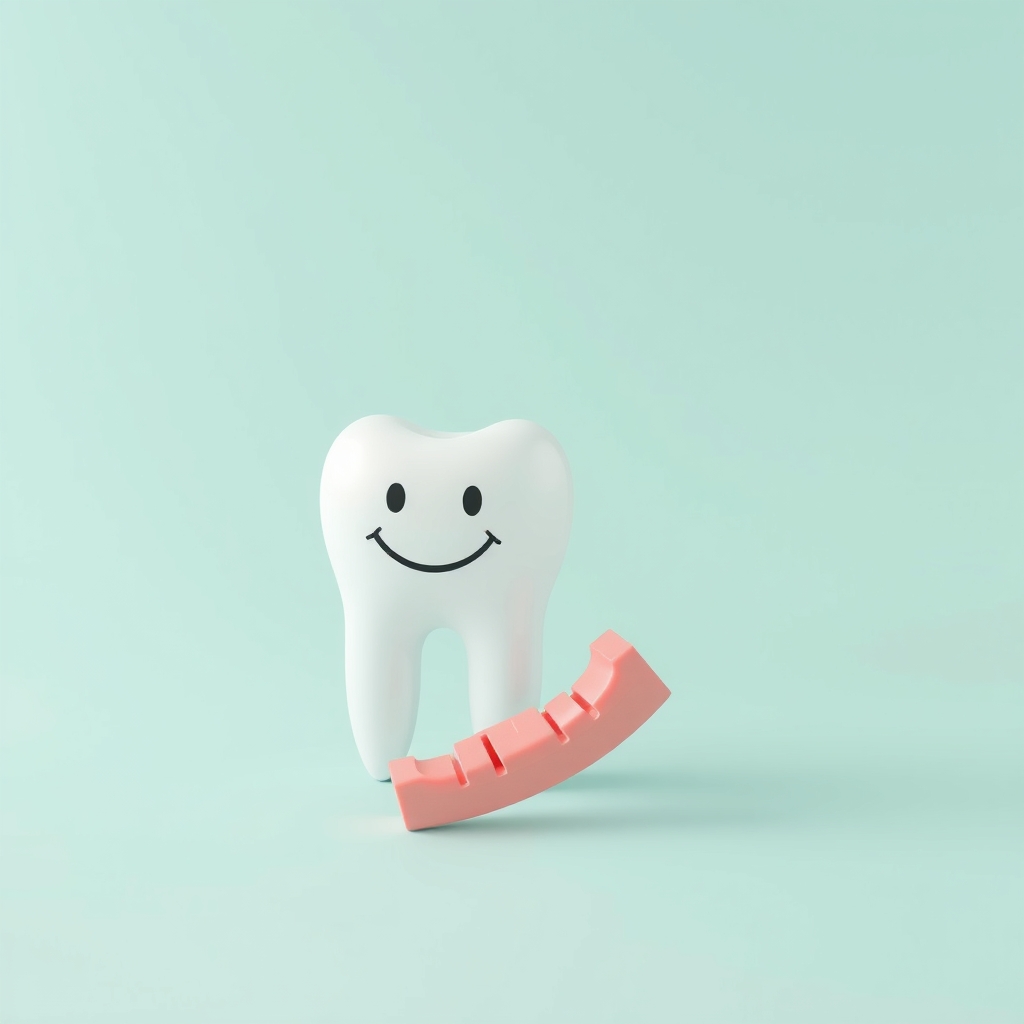
Chewing anything, sugar-free or not, stimulates saliva flow. Saliva is one of your mouth's natural defence systems. It helps:
- Wash away food particles and loose plaque
- Neutralise acids produced after eating
- Carry calcium and phosphate that support enamel remineralisation
This is the main reason dentists recommend chewing sugar-free gum for about 10 to 20 minutes after meals, especially when brushing right away is not possible, such as after lunch at work or school. The extra saliva flow helps rinse the mouth and buffer the acid produced from eating.
Can Gum Help With Dry Mouth?
Dry mouth, medically known as xerostomia, is common among people taking certain medications, those who breathe through their mouth, or anyone who does not drink enough water through the day. A dry mouth feels uncomfortable and also raises cavity risk because there is less saliva to protect teeth.
Sugar-free or xylitol gum can offer temporary relief by encouraging saliva flow. Many patients in Chhatarpur, New Delhi who deal with dry mouth from blood pressure or allergy medicines find that a piece of gum after meals helps with comfort. That said, gum manages the symptom. If dry mouth is persistent, it is worth mentioning to your dentist or physician, since it may point to an underlying cause that needs separate attention.
Common Myths Worth Clearing Up
| Myth | Fact |
|---|---|
| All chewing gum is bad for teeth | Only sugary gum is a real concern. Sugar-free and xylitol gums do not feed decay bacteria the same way. |
| Xylitol gum can replace brushing | It supports oral hygiene but cannot remove plaque from tooth surfaces or between teeth. |
| Chewing gum whitens teeth | Gum does not bleach or lighten enamel. Any mild surface cleaning effect is not the same as whitening. |
| More chewing is always better | Excessive gum chewing can strain jaw joints and muscles, especially in people prone to jaw clicking or TMJ discomfort. |
Sensible Ways to Use Gum for Oral Health
- Choose gum where xylitol or another sugar substitute is listed as the primary sweetener.
- Chew after meals rather than as a constant habit through the day.
- Limit sessions to around 10 to 20 minutes to avoid unnecessary jaw strain.
- Continue brushing twice daily and flossing once daily regardless of gum use.
- If you have jaw pain, clicking, or a history of TMJ issues, check with your dentist before making gum a daily habit.
Sugar-free and xylitol gum can be a genuinely useful addition to your oral care routine, particularly for saliva support and as a between-meal habit when brushing is not possible. It works best as a helper alongside good brushing, flossing, and regular dental check-ups, not as a stand-alone solution. If you have ongoing concerns about dry mouth, cavity risk, or jaw discomfort, our team at Dr Vijay's Dental SPA in Chhatarpur Enclave, New Delhi is happy to guide you through what will genuinely help your specific situation.
Have questions about your teeth?
Dr Vijay's Dental SPA · Chhatarpur Enclave, New Delhi
Frequently asked questions
Can chewing gum replace brushing and flossing?
No. Gum can support oral hygiene between meals but it cannot remove plaque along the gumline or between teeth the way brushing and flossing do. Use it as an add-on, not a substitute.
How much xylitol gum should I chew in a day?
Most studies on cavity prevention use around 3 to 5 grams of xylitol spread across the day, often in 2 to 3 pieces of gum chewed for 5 to 10 minutes after meals. Check the pack label since xylitol content varies by brand.
Is xylitol gum safe for children?
In small, appropriate amounts it is generally considered safe and is even recommended by some dentists for cavity-prone children. However, xylitol is toxic to dogs, so keep packs well out of pet reach, and consult your dentist about suitable amounts for young children.
Does sugar-free gum help with dry mouth?
Yes, chewing stimulates saliva flow, which can ease the discomfort of a dry mouth caused by medications, mouth breathing, or dehydration. It is a helpful habit but persistent dry mouth should still be discussed with a dentist or doctor.
Treatment costs mentioned on this page are indicative ranges for the Chhatarpur, New Delhi region. Your exact cost depends on your case and will be confirmed after a clinical examination at the clinic.