Dental Crowns: What They Are, When You Need One, and Which Type to Choose
If your dentist has suggested a dental crown, you probably have questions. What exactly is a crown, why do you need one, and which material should you choose? This guide answers these questions in plain language so you can walk into your consultation feeling informed and confident.
What Is a Dental Crown?
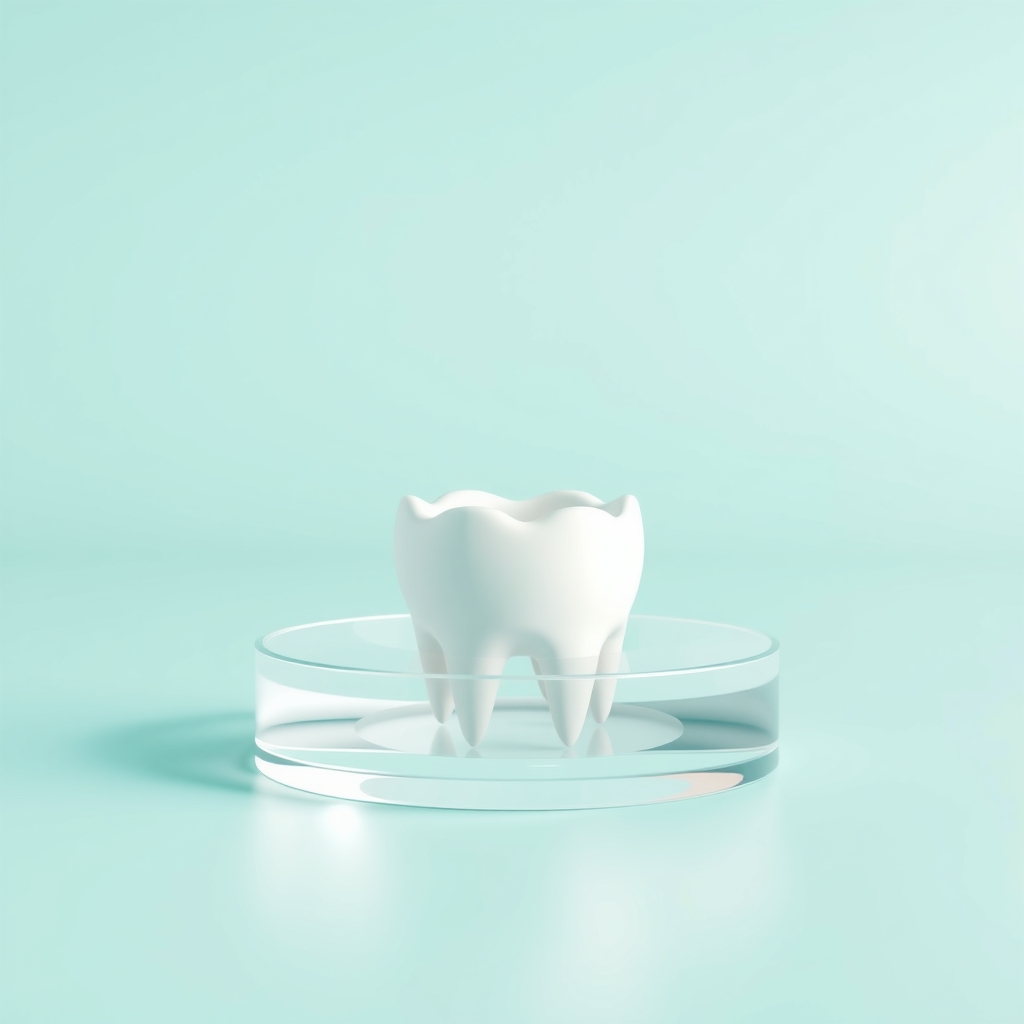
A dental crown is a cap shaped like a tooth that fits over your existing tooth. It covers the entire visible portion, restoring its shape, size, strength, and appearance. Think of it as a protective shell that lets a weakened or damaged tooth function normally again.
When Do You Need a Crown?
Crowns are recommended in several common situations. Your dentist at our Chhatarpur, New Delhi clinic will examine your tooth and X-rays before suggesting one.
- After root canal treatment: Root canal treated teeth become brittle over time and often need a crown for long term protection.
- Large cavities or fillings: When decay is too extensive for a regular filling, a crown provides better support.
- Cracked or fractured teeth: A crown holds the tooth together and prevents the crack from worsening.
- Severely worn teeth: Grinding or long term acid wear can flatten teeth, and crowns restore proper height and bite.
- Cosmetic correction: Crowns can improve the shape or colour of a misshapen or discoloured tooth.
- Supporting a dental bridge: Crowns anchor bridges used to replace missing teeth.
Types of Crown Materials
Choosing a material depends on the tooth's location, your budget, and how much strength versus aesthetics you need. Here is a simple comparison.
| Material | Strength | Appearance | Best Suited For |
|---|---|---|---|
| Metal (PFM or full metal) | Very high | Metallic or metal-lined edge | Back molars, heavy chewing areas |
| Zirconia | High | Natural, tooth-coloured | Front and back teeth, good all-round choice |
| All-ceramic/porcelain | Moderate | Most natural, translucent look | Front teeth where appearance matters most |
Metal Crowns
Metal alloys or porcelain fused to metal (PFM) crowns are known for their durability. They handle biting forces well, making them a practical option for molars that are not very visible when you smile.
Zirconia Crowns
Zirconia combines strength with a natural tooth-like appearance. It is a popular choice for patients who want durability without the metallic look, and it works well for both front and back teeth.
Ceramic Crowns
All-ceramic or porcelain crowns offer the most lifelike appearance, closely matching the translucency of natural teeth. They are often chosen for front teeth where aesthetics are a priority, though they may be slightly less impact-resistant than zirconia or metal.
What to Expect During the Procedure
Getting a crown usually takes two visits, though same-day options exist in some cases with in-house milling technology.
- Examination and planning: Your dentist checks the tooth, takes X-rays if needed, and discusses material options with you.
- Tooth preparation: Under local anaesthesia, the tooth is gently reshaped to make room for the crown.
- Impression or scan: A mould or digital scan of your tooth is taken to create a crown that fits precisely.
- Temporary crown: A temporary crown is placed to protect the tooth while your permanent one is being made.
- Fitting the permanent crown: At the next visit, the temporary is removed and the permanent crown is checked for fit, bite, and colour before being cemented in place.
Cost Considerations
Crown costs vary depending on material, the complexity of your case, and whether additional treatment like a root canal is needed beforehand. In Chhatarpur, New Delhi, the typical range for a single crown spans from budget metal options to higher-end all-ceramic or zirconia crowns. Your dentist can give you an accurate estimate after examining your tooth.
Making the Right Choice
There is no single best crown for everyone. The right choice depends on which tooth needs treatment, your budget, and how important a natural appearance is to you. A detailed discussion with your dentist, backed by an oral examination, is the best way to decide.
Have questions about your teeth?
Dr Vijay's Dental SPA · Chhatarpur Enclave, New Delhi
Frequently asked questions
How long do dental crowns last?
With good oral hygiene and regular checkups, most crowns last 8 to 15 years, sometimes longer. Lifespan depends on the material, how well you care for your teeth, and habits like teeth grinding.
Is getting a crown painful?
The procedure is done under local anaesthesia, so you should not feel pain during preparation. Mild sensitivity or gum tenderness for a few days afterward is normal and usually settles on its own.
Can I eat normally with a temporary crown?
You can eat, but it is best to avoid sticky, hard, or very chewy foods on that side until your permanent crown is placed, since temporary crowns are not as strong.
Do crowns need any special care?
Crowns do not need special products, but regular brushing, flossing, and dental checkups help protect the crown and the tooth underneath from decay at the edges.
Treatment costs mentioned on this page are indicative ranges for the Chhatarpur, New Delhi region. Your exact cost depends on your case and will be confirmed after a clinical examination at the clinic.