Dentures vs Implants for Senior Patients: What Families Should Know
Choosing between dentures and dental implants is one of the biggest decisions a family makes for an elderly parent or grandparent. Both options replace missing teeth, but they differ in comfort, daily eating experience, upkeep, and cost over time. This guide breaks down the practical differences so families in Chhatarpur, New Delhi can make an informed choice together.
Comfort: How Each Option Feels Day to Day
Removable dentures rest on the gums and are held in place with suction or adhesive. Many seniors adjust well, but some experience slipping, sore spots, or a bulky feeling, especially with lower dentures where the tongue has less room.
Implants are fixed into the jawbone and function much like natural tooth roots. Once healed, they do not move, rub against gums, or need adhesive. For seniors who struggle with denture fit due to bone loss, implants often feel more natural and secure.
Points to Discuss With Your Parent
- Do they already have loose or uncomfortable dentures?
- Do they have enough jawbone density for implants (checked via X-ray)?
- Are they comfortable with a minor surgical procedure?
Eating and Chewing Efficiency
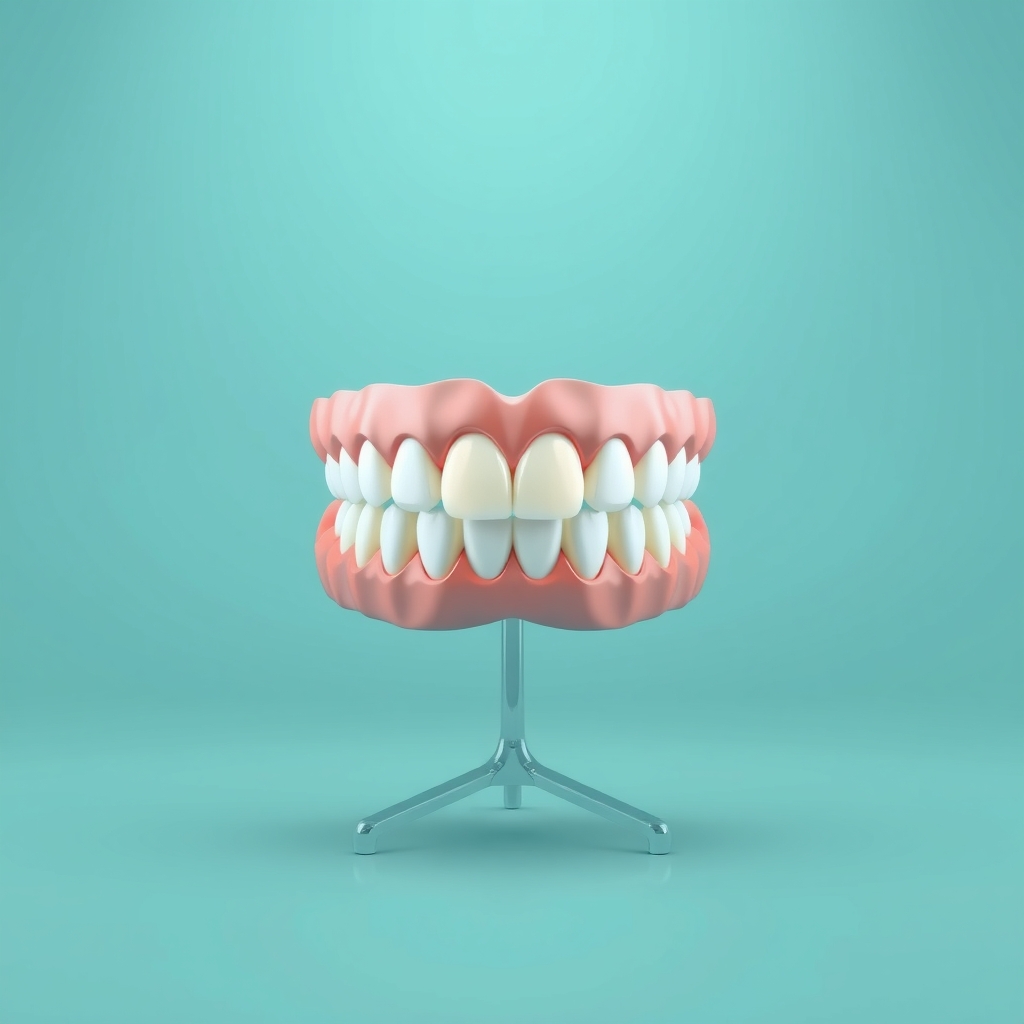
This is often the biggest quality-of-life factor for seniors. Dentures typically restore only 30 to 40 percent of natural chewing force, which can make hard foods like nuts, guavas, or raw vegetables difficult. Some seniors avoid these foods altogether, which can affect nutrition.
Implants, especially implant-supported bridges or full-arch solutions, restore chewing force much closer to natural teeth. This allows most seniors to enjoy a wider variety of foods without hesitation, which supports better overall nutrition and digestion.
Maintenance Over the Years
| Aspect | Dentures | Implants |
|---|---|---|
| Daily care | Remove, clean, soak overnight | Brush and floss like natural teeth |
| Adjustments | Relining needed every 2-3 years as gums change | Rarely needed once healed |
| Replacement | Usually every 5-8 years | Can last 15-20+ years with care |
| Clinic visits | Frequent, for fit issues | Routine check-ups, twice yearly |
Cost Over 10 Years: An Honest Comparison
Upfront, dentures cost less. But because they need relining and eventual replacement, the total cost over a decade can add up. Implants have a higher initial cost but often work out more economical over the long term due to their durability.
For Chhatarpur, New Delhi, the typical range for a full set of removable dentures is roughly Rs 15,000 to Rs 40,000 depending on material, with relining costs adding up over the years. A single dental implant typically ranges from Rs 25,000 to Rs 45,000 including the crown, while full-arch implant solutions typically range much higher depending on the number of implants used. These are general figures and actual costs depend on individual examination, X-rays, and treatment planning.
A Simple Way to Think About It
- Lower upfront budget, shorter-term need: Dentures may be the practical starting point.
- Long-term comfort and chewing priority: Implants often provide better value over 10 years.
- Mixed approach: Some seniors choose implant-supported dentures, which combine implant stability with denture affordability.
Health Factors That Influence the Decision
Age alone does not rule out implants. What matters more is bone density, gum health, and control of conditions like diabetes or osteoporosis. A thorough dental and medical review helps determine if implants are suitable, or if dentures are the safer starting point with implants considered later.
Making the Decision as a Family
It helps to involve the senior family member directly in this conversation, since comfort and daily eating habits are deeply personal. A dental exam with X-rays gives the clearest picture of what is realistic, both medically and financially, before any decision is finalised.
Have questions about your teeth?
Dr Vijay's Dental SPA · Chhatarpur Enclave, New Delhi
Frequently asked questions
Can seniors with health conditions like diabetes get implants?
Many can, if the condition is well controlled. Your dentist will check blood sugar levels, bone health, and overall fitness before recommending implants. Uncontrolled diabetes or certain bone conditions may need to be managed first.
Is it painful to switch from dentures to implants later?
The implant procedure is done under local anaesthesia and most patients report mild discomfort for a few days, similar to a tooth extraction. Many seniors who switch later say the improved chewing and comfort is worth the short recovery.
How many teeth need to be missing before implants make sense?
Implants can support a single tooth, several teeth, or a full arch. The right option depends on how many teeth are missing, bone quality, and budget, which is best assessed with an exam and X-ray.
Do implants really last longer than dentures?
With good oral hygiene and regular check-ups, implants can last 15 to 20 years or longer. Dentures typically need relining every few years and replacement every 5 to 8 years as the jawbone and gums change shape.
Treatment costs mentioned on this page are indicative ranges for the Chhatarpur, New Delhi region. Your exact cost depends on your case and will be confirmed after a clinical examination at the clinic.