Dry Socket After Tooth Extraction: Causes, Symptoms and Treatment
If you have had a tooth pulled recently and the pain seems to be getting worse instead of better, you may be dealing with a dry socket. This is one of the most common complications after extraction, and while it is uncomfortable, it is very treatable once identified. Here is what patients in Chhatarpur, New Delhi should know about spotting it early and getting relief.
What Is a Dry Socket
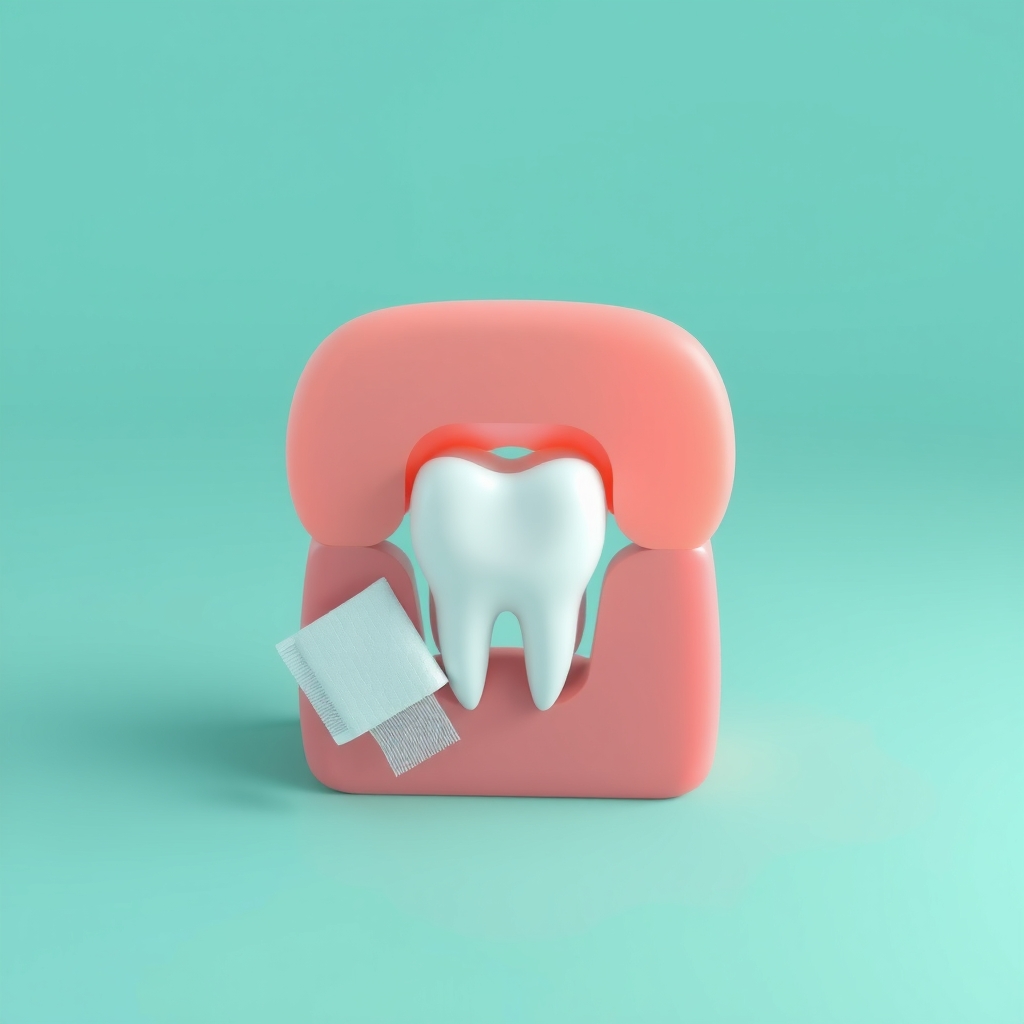
After a tooth is removed, a blood clot normally forms in the empty socket. This clot protects the underlying bone and nerves while new tissue grows in. A dry socket, medically called alveolar osteitis, happens when this clot is dislodged, dissolves too early, or never forms properly. Without that protective clot, the bone and nerve endings are exposed to air, food, and bacteria, which causes sharp, radiating pain.
Why It Happens
- Smoking or vaping soon after extraction, which disturbs the clot
- Using a straw, which creates suction that can dislodge it
- Vigorous rinsing, spitting, or gargling in the first 24 hours
- Poor oral hygiene allowing bacteria to break down the clot
- Difficult extractions, such as impacted wisdom teeth, which carry higher risk
- Hormonal factors, as women taking oral contraceptives may be more prone
Warning Symptoms to Watch For
Mild soreness for two to three days after extraction is normal. Dry socket symptoms are different and usually appear on day three or four, sometimes later.
- Throbbing pain that worsens rather than improves after a few days
- Pain radiating to your ear, eye, or temple on the same side
- An empty-looking socket, sometimes with visible bone
- A bad taste in the mouth or noticeable bad breath
- Mild fever in some cases
If you notice these signs, it is a good idea to contact your dentist rather than waiting it out.
Home Care vs When to See a Dentist
Some early discomfort can be managed at home, but true dry socket needs professional attention. Here is a simple way to tell the difference.
| Situation | What to Do |
|---|---|
| Mild soreness, first 2-3 days, improving daily | Rest, cold compress, prescribed pain relief, soft diet |
| Pain increasing after day 3, radiating to ear or jaw | See your dentist for an exam and possible socket dressing |
| Visible empty socket or exposed bone | Dental visit needed, do not try to fill or pack it yourself |
| Fever, swelling, or pus discharge | See a dentist promptly to rule out infection |
Home Care Tips While Waiting for Your Appointment
- Rinse gently with warm salt water after meals
- Avoid smoking, straws, and hard or crunchy foods
- Use only the pain medication your dentist recommends
- Apply a cold compress on the cheek for short intervals to ease swelling
- Keep the rest of your mouth clean, brushing gently away from the socket
Home care alone will not fix an established dry socket. It needs a professional cleaning and a medicated dressing placed directly in the socket, which usually brings quick relief.
How Dentists Treat Dry Socket
Treatment is usually simple and done in a single visit. The dentist will gently clean out any debris from the socket, then place a medicated dressing that soothes the exposed bone and nerve while new tissue forms. Depending on how you heal, this dressing may need to be changed once or twice over the following days. Pain relief is often felt soon after the first dressing is placed, and most people recover fully within a week to ten days.
Reducing Your Risk After Extraction
The days right after a tooth extraction matter most for clot protection.
- Avoid smoking and vaping for at least 48 to 72 hours
- Skip straws, spitting, and vigorous rinsing on the first day
- Stick to soft, cool foods and stay well hydrated
- Follow your dentist's instructions on brushing near the extraction site
- Attend any recommended follow-up visit, especially after wisdom tooth removal
If you are in Chhatarpur, New Delhi and dealing with unusual pain after an extraction, do not wait for it to worsen. A quick check-up can confirm what is going on and get you comfortable again.
Have questions about your teeth?
Dr Vijay's Dental SPA · Chhatarpur Enclave, New Delhi
Frequently asked questions
How long does dry socket pain usually last?
Untreated, it can last several days to a week. With proper dental treatment such as a medicated dressing, most people feel noticeable relief within 24 to 48 hours.
Can dry socket heal on its own without a dentist?
Mild cases sometimes settle with good home care, but most people need a dentist to clean the socket and place a soothing dressing. It is best not to wait if pain is worsening.
Is dry socket the same as an infection?
Not exactly. Dry socket is a loss of the healing blood clot, not a bacterial infection, though an unhealed socket can become infected if left untreated.
Can I prevent dry socket by avoiding straws?
Yes. Sucking motions from straws, smoking, or spitting forcefully can dislodge the healing clot, so avoiding these for a few days lowers your risk.
Treatment costs mentioned on this page are indicative ranges for the Chhatarpur, New Delhi region. Your exact cost depends on your case and will be confirmed after a clinical examination at the clinic.