Corrective Jaw (Orthognathic) Surgery for Severe Bite Misalignment
Most bite problems can be fixed with braces or aligners alone. But when the jaws themselves are out of alignment, not just the teeth, orthodontic treatment alone cannot correct it. This is where corrective jaw surgery, known medically as orthognathic surgery, becomes necessary. This guide explains when it is needed, what the procedure involves, recovery timelines, and typical costs for patients in Chhatarpur, New Delhi.
What Is Orthognathic Surgery?
Orthognathic surgery is a procedure that repositions the upper jaw (maxilla), lower jaw (mandible), or both, to correct significant misalignment between them. It is performed by an oral and maxillofacial surgeon, often working closely with an orthodontist, to bring the jaws and teeth into proper alignment for chewing, speech, and facial balance.
When Is Jaw Surgery Actually Needed?
Jaw surgery is considered only for moderate to severe skeletal discrepancies that cannot be resolved by braces alone. Common indications include:
- A significantly receding or protruding lower jaw
- An underdeveloped or overgrown upper jaw
- Open bite where front teeth do not meet even when back teeth are closed
- Severe crossbite affecting one or both sides of the jaw
- Facial asymmetry caused by uneven jaw growth
- Difficulty chewing, speaking, or closing the lips comfortably due to jaw position
- Chronic jaw joint pain linked to structural misalignment
- Breathing problems during sleep related to a recessed lower jaw
Your dentist or orthodontist will usually take X-rays, photographs, and dental impressions to assess whether the problem is dental (teeth only) or skeletal (jaw bones), since this determines whether surgery is genuinely required.
What Does the Procedure Involve?
Pre-Surgical Orthodontics
Before surgery, braces are typically worn for 9 to 14 months to align the teeth within each jaw. This may temporarily make the bite look slightly worse, as the teeth are being decompensated to prepare for the jaw to move into its corrected position.
Surgical Planning
Detailed imaging, including 3D scans, is used to plan the exact movement needed. In some cases, surgical guides or splints are custom made to ensure precision during the operation.
The Surgery
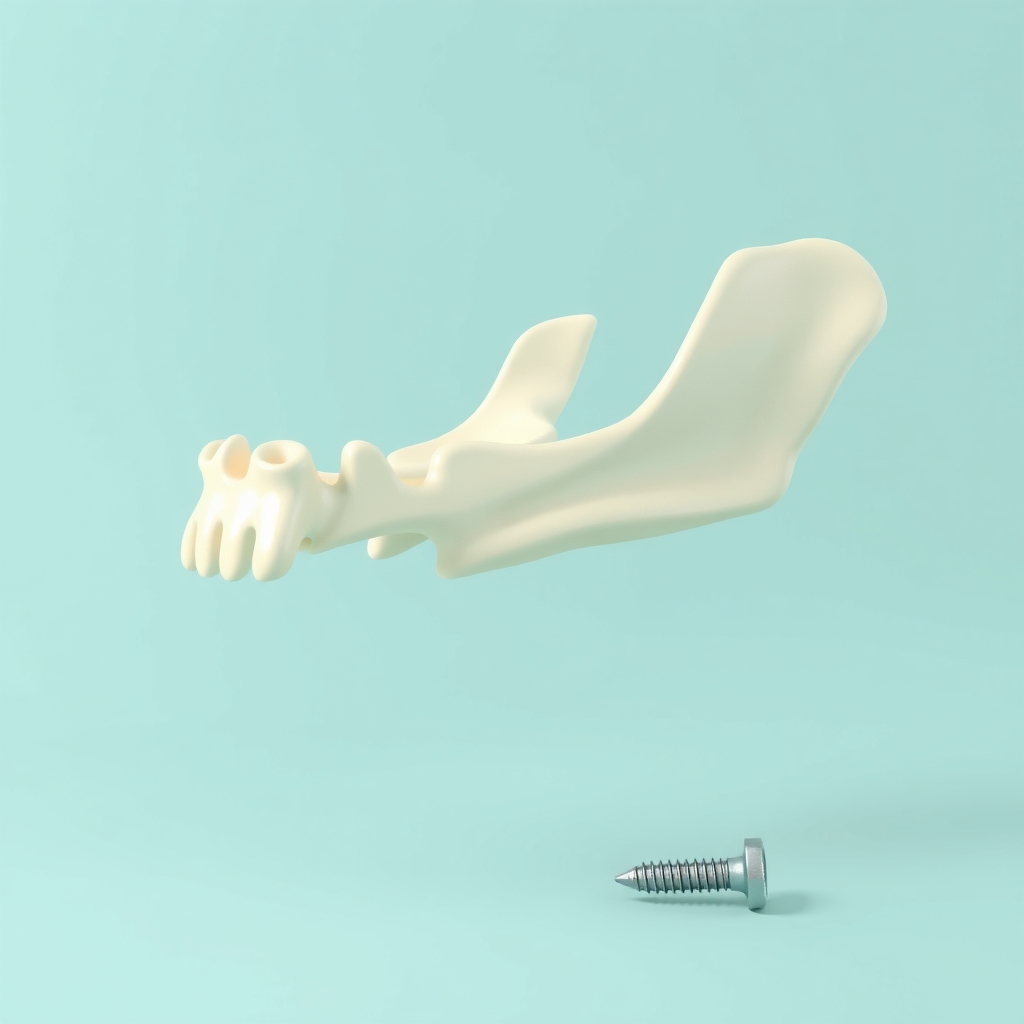
Performed under general anaesthesia in a hospital setting, the surgeon repositions the jaw bone or bones and secures them with small titanium plates and screws. Depending on the case, this may involve the upper jaw, lower jaw, chin, or a combination. Surgery typically takes two to four hours, and most incisions are made inside the mouth, so visible external scarring is minimal.
Post-Surgical Orthodontics
After healing, braces are adjusted further for a few months to fine-tune the final bite.
Recovery Timeline
| Time Period | What to Expect |
|---|---|
| First 1-2 weeks | Swelling, bruising, and jaw stiffness; soft or liquid diet; rest at home |
| 2-4 weeks | Swelling reduces significantly; gradual return to soft solid foods |
| 4-6 weeks | Most people return to work or college; jaw movement improves |
| 6-12 weeks | Bone continues to heal and stabilise; chewing becomes more normal |
| 6-12 months | Full bone healing and final orthodontic adjustments complete |
Hospital stay is usually one to three days, and a short period of time off work or studies, typically two to three weeks, is recommended for initial healing.
Typical Costs in Delhi
Costs for orthognathic surgery vary depending on whether one or both jaws are involved, the complexity of the case, hospital charges, and anaesthesia fees. As a typical range for patients in Chhatarpur, New Delhi, single jaw surgery may fall between roughly Rs 1,50,000 and Rs 2,50,000, while double jaw surgery may range from approximately Rs 2,50,000 to Rs 4,50,000. These figures do not include pre- and post-surgical orthodontic treatment, which is usually billed separately. Exact costs depend on your specific diagnosis and the hospital where the surgery is performed, so a detailed quote after consultation is essential.
Is Jaw Surgery Right for You?
Not every bite problem needs surgery. A thorough clinical examination, combined with imaging and a discussion of your concerns, functional difficulties, and goals, helps determine whether orthodontic treatment alone is sufficient or whether a surgical-orthodontic approach is the right path. If you are in Chhatarpur, New Delhi and dealing with a severe bite mismatch, a proper evaluation is the right first step before deciding on treatment.
Have questions about your teeth?
Dr Vijay's Dental SPA · Chhatarpur Enclave, New Delhi
Frequently asked questions
Is corrective jaw surgery painful?
You will have swelling and discomfort for the first week or two, but this is managed well with prescribed pain relief. Most patients describe it as manageable rather than severely painful.
Will I need braces along with jaw surgery?
Yes, in most cases braces are worn before surgery to align the teeth and after surgery to fine-tune the bite. The full orthodontic and surgical process usually takes 18 to 24 months in total.
Can adults get jaw surgery, or is it only for teenagers?
Jaw surgery is typically done after facial growth is complete, usually from age 17 or 18 onwards. There is no upper age limit as long as you are medically fit for surgery.
Will my face shape change after surgery?
Yes, some change in facial profile is expected since the jaw position is being corrected. Your surgeon will discuss expected changes during planning so there are no surprises.
Treatment costs mentioned on this page are indicative ranges for the Chhatarpur, New Delhi region. Your exact cost depends on your case and will be confirmed after a clinical examination at the clinic.