Types of Bite Misalignment and How They Are Treated
Many people in Chhatarpur, New Delhi notice that their teeth do not meet evenly when they bite down, but are not sure whether it is a cosmetic issue or something that needs treatment. Bite misalignment, also called malocclusion, comes in several distinct forms. Understanding which type you have can help you have a more informed conversation with your orthodontist about correction options.
What Is Bite Misalignment?
A bite misalignment happens when the upper and lower teeth or jaws do not align properly when closed. It can be caused by genetics, childhood habits like thumb sucking or prolonged pacifier use, early loss of baby teeth, tongue posture, or jaw growth patterns. Left untreated, some types can lead to uneven tooth wear, jaw discomfort, speech difficulties, or trouble chewing.
Overbite
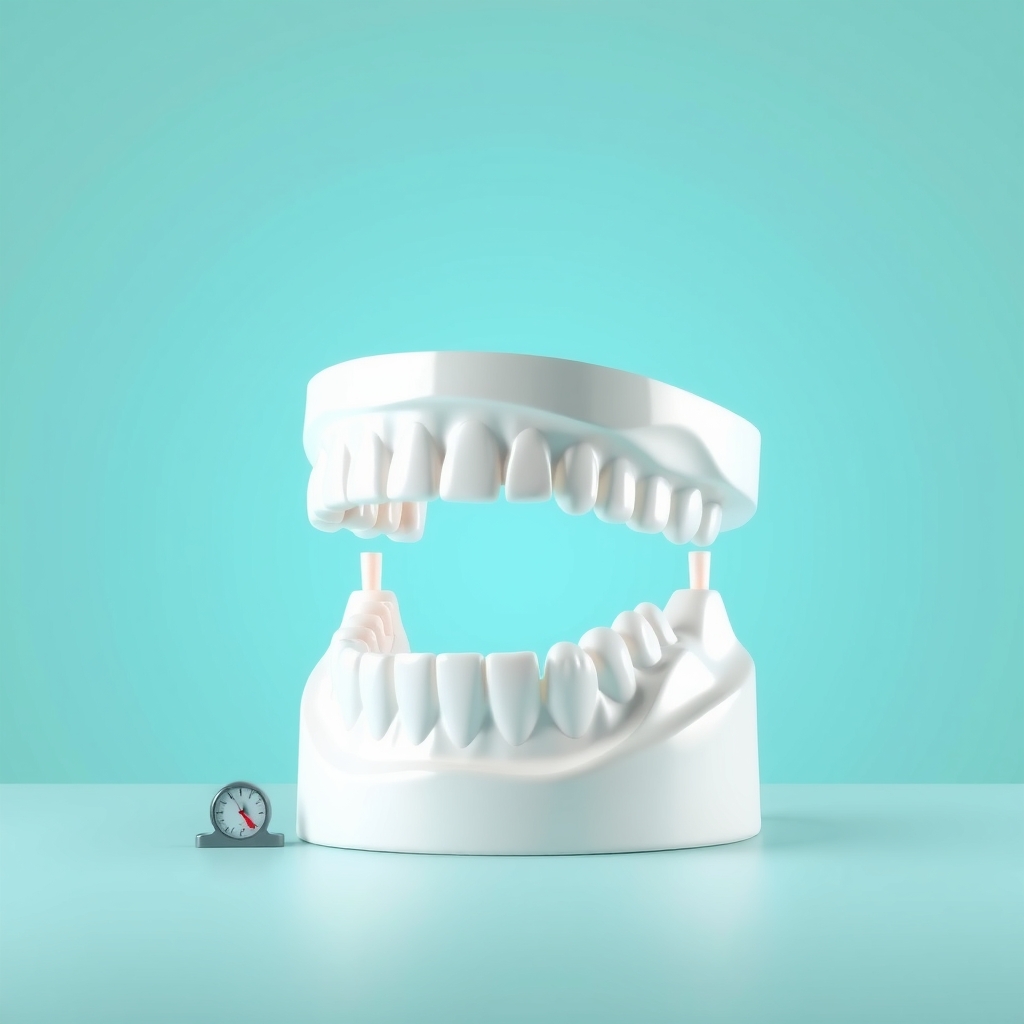
An overbite is when the upper front teeth extend noticeably over the lower front teeth. A small degree of overlap is normal, but an excessive overbite can cause the lower teeth to bite into the roof of the mouth or gum tissue, and may contribute to jaw strain over time.
Common Causes
- Genetic jaw shape and size differences
- Prolonged thumb sucking or pacifier use in childhood
- Missing or undersized lower teeth
Treatment Options
- Braces or clear aligners to gradually reposition teeth
- Growth-guiding appliances for children still developing jaw structure
- Jaw surgery in severe adult cases where skeletal correction is needed
Underbite
An underbite is the opposite pattern, where the lower front teeth sit in front of the upper teeth. This is usually caused by the lower jaw growing more than the upper jaw, or the upper jaw being underdeveloped. It can affect chewing and sometimes gives the chin a more prominent appearance.
Treatment Options
- Early interceptive treatment in children using palatal expanders or specific appliances
- Braces or aligners for mild to moderate cases in teens and adults
- Combined orthodontic and surgical treatment for significant jaw discrepancies
Crossbite
A crossbite occurs when one or more upper teeth sit inside the lower teeth instead of outside, either on one side (posterior crossbite) or affecting the front teeth (anterior crossbite). This can cause asymmetric jaw growth or uneven wear if not addressed, especially in growing children.
Treatment Options
- Palatal expanders to widen a narrow upper jaw in children
- Braces or aligners to shift teeth into correct position
- Selective reshaping or restorative work in mild adult cases
Open Bite
An open bite happens when the upper and lower front teeth do not touch when the back teeth are closed together, leaving a visible gap. It is often linked to prolonged thumb sucking, tongue thrusting habits, or certain jaw growth patterns, and can make it harder to bite into food or affect certain speech sounds.
Treatment Options
- Habit-correction appliances for children with thumb sucking or tongue thrust
- Braces or aligners combined with myofunctional therapy for tongue posture
- Jaw surgery in select adult cases with a significant skeletal open bite
Comparing the Bite Types
| Bite Type | What You Notice | Typical First-Line Treatment |
|---|---|---|
| Overbite | Upper teeth cover lower teeth significantly | Braces or aligners |
| Underbite | Lower teeth sit in front of upper teeth | Expanders, braces, or aligners |
| Crossbite | Upper teeth sit inside lower teeth on one or both sides | Palatal expander or braces |
| Open Bite | Front teeth do not touch when biting down | Habit correction plus braces or aligners |
Typical Cost Range in Chhatarpur, New Delhi
Orthodontic treatment costs depend on the severity of misalignment, the type of appliance used, and treatment duration. In Chhatarpur, New Delhi, the typical range for braces or aligner treatment can span from budget metal braces to premium clear aligner systems, with more complex cases involving expanders or surgical referral costing more. An in-person evaluation with X-rays is needed to give you an accurate estimate for your specific bite type.
When to See an Orthodontist
If you notice your teeth do not meet evenly, you experience jaw discomfort, uneven wear on certain teeth, or difficulty chewing or speaking clearly, it is worth getting a professional evaluation. Early assessment, especially in children, often means simpler and shorter treatment later on.
Have questions about your teeth?
Dr Vijay's Dental SPA · Chhatarpur Enclave, New Delhi
Frequently asked questions
Can bite misalignment correct itself without treatment?
Mild bite issues in children sometimes improve as permanent teeth and jaws develop, but most misalignments in teens and adults do not self-correct and tend to stay the same or worsen slowly over time.
At what age should bite problems be evaluated?
An orthodontic check around age 7 is recommended to catch developing jaw and bite issues early, though bite correction is possible and common at any age, including adulthood.
Does bite misalignment always need braces?
Not always. Mild cases may be managed with clear aligners, retainers, or monitoring, while more significant misalignments usually need braces, aligners, or in rare cases jaw surgery.
Is bite correction only about appearance?
No. Correcting bite misalignment also helps with chewing efficiency, speech clarity, jaw joint comfort, and reduces uneven wear or stress on teeth over the years.
Treatment costs mentioned on this page are indicative ranges for the Chhatarpur, New Delhi region. Your exact cost depends on your case and will be confirmed after a clinical examination at the clinic.