Custom Oral Appliances for Snoring and Sleep Apnea
If you snore loudly or have been told you stop breathing briefly during sleep, you are not alone. Many people in Chhatarpur and across New Delhi struggle with snoring and mild sleep apnea, and not everyone finds CPAP machines easy to tolerate. Custom oral appliances offer a smaller, quieter alternative worth understanding.
What Are Oral Appliances for Snoring and Sleep Apnea?
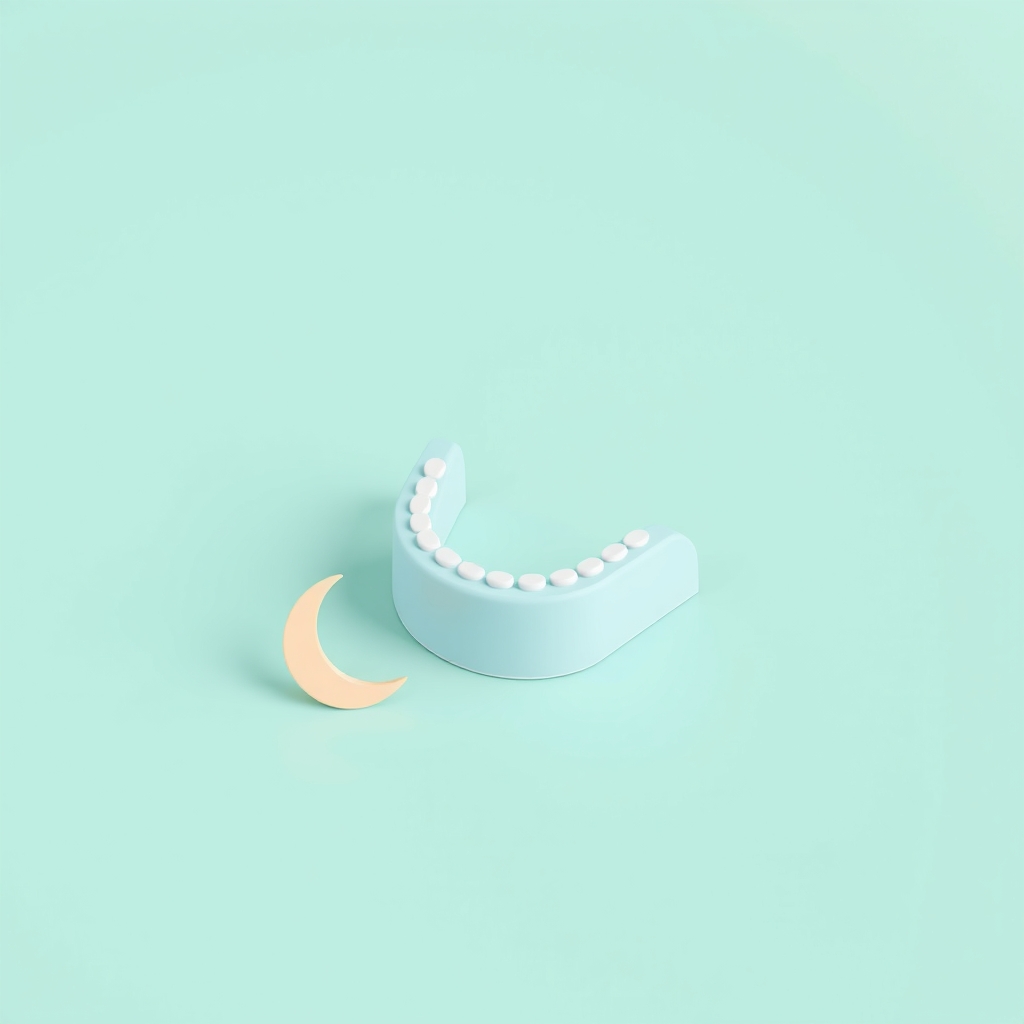
A custom oral appliance, often called a mandibular advancement device (MAD), is a mouthguard-like device worn during sleep. It gently holds the lower jaw slightly forward, which helps keep the airway at the back of the throat more open. This reduces the vibration of soft tissues that causes snoring and can ease mild to moderate obstructive sleep apnea.
How Is It Different From a Regular Night Guard?
A night guard protects teeth from grinding damage but does not reposition the jaw. A mandibular advancement device is custom fitted to move the lower jaw forward by a specific, adjustable amount, based on impressions or digital scans of your teeth and bite.
Who Might Benefit From This Option
- People diagnosed with mild to moderate obstructive sleep apnea after a sleep study
- Habitual snorers who disturb a partner's sleep but have not been diagnosed with sleep apnea
- Patients who cannot tolerate CPAP masks or find them uncomfortable while traveling
- Adults with reasonably healthy gums and enough teeth to support the appliance
Oral appliances are generally not recommended as the sole treatment for severe sleep apnea. A sleep physician's diagnosis is the right starting point before deciding on any device.
How the Treatment Process Works
- Diagnosis: A sleep study (in-lab or home-based) confirms whether you have snoring alone or sleep apnea, and its severity.
- Dental evaluation: Your dentist checks your teeth, gums, jaw joint, and bite to confirm you are a suitable candidate for an appliance.
- Impressions or scans: Precise records of your upper and lower teeth are taken to design a custom-fit device.
- Fitting and adjustment: The device is fitted and gradually adjusted to find the jaw position that reduces snoring and airway blockage while remaining comfortable.
- Follow-up: A repeat sleep study or physician review may be suggested to confirm the appliance is working as intended.
Benefits and Limitations
| Aspect | Oral Appliance |
|---|---|
| Comfort | Smaller and quieter than CPAP; easier for travel |
| Best suited for | Mild to moderate sleep apnea, simple snoring |
| Maintenance | Regular cleaning and periodic dental check-ups |
| Limitations | Not typically first choice for severe sleep apnea |
| Side effects | Jaw soreness, bite changes over long-term use in some patients |
Caring for Your Device
Clean the appliance every morning with a soft brush and lukewarm water, and store it in its case during the day. Bring it to your dental check-ups so your dentist can inspect it for wear and check that your bite and jaw joint remain comfortable over time.
Cost Considerations in Chhatarpur, New Delhi
The typical range for a custom mandibular advancement device in Chhatarpur, New Delhi depends on the appliance type, material, and number of adjustment visits needed. Simple adjustable devices tend to cost less than more advanced, fully customizable models. Your dentist can give you a clear estimate after your evaluation, and this is usually separate from any sleep study fees charged by a physician or sleep lab.
What to Discuss at Your Consultation
- Your sleep study report, if you already have one
- Any jaw pain, clicking, or history of TMJ problems
- Current CPAP experience, if applicable
- Your dental and gum health history
Snoring and mild sleep apnea are manageable with the right approach, and a custom oral appliance is one option worth discussing with both your dentist and sleep physician. A combined assessment helps ensure the device fits your specific needs and airway pattern.
Have questions about your teeth?
Dr Vijay's Dental SPA · Chhatarpur Enclave, New Delhi
Frequently asked questions
Can an oral appliance replace my CPAP machine?
Only your sleep physician can decide this. For mild to moderate sleep apnea, an oral appliance may be a suitable alternative. For severe sleep apnea, CPAP usually remains the first choice, though some patients use both under medical guidance.
Will the device stop my snoring completely?
Most patients notice a significant reduction in snoring loudness and frequency, but results vary based on the cause of snoring, weight, nasal breathing, and sleep position. A follow-up sleep study helps confirm improvement.
How long does it take to get used to wearing it?
Most people adjust within one to three weeks. Mild jaw soreness or increased saliva in the first few nights is common and usually settles as your mouth adapts.
Do I need a sleep study before getting the device?
Yes. A diagnosis of snoring versus sleep apnea, and its severity, should come from a sleep study or a physician's evaluation. This guides whether an oral appliance is appropriate for you.
Treatment costs mentioned on this page are indicative ranges for the Chhatarpur, New Delhi region. Your exact cost depends on your case and will be confirmed after a clinical examination at the clinic.