Space Maintainers: Protecting Your Child's Smile After an Early Tooth Loss
Losing a baby tooth earlier than expected, whether from injury, decay, or infection, is more common than many parents realise. While it may seem minor, early tooth loss can affect how permanent teeth come in later. This is where space maintainers help. At Dr Vijay's Dental SPA in Chhatarpur Enclave, New Delhi, we often guide parents through this exact situation, and this article explains what space maintainers are and why your dentist may recommend one.
What Is a Space Maintainer
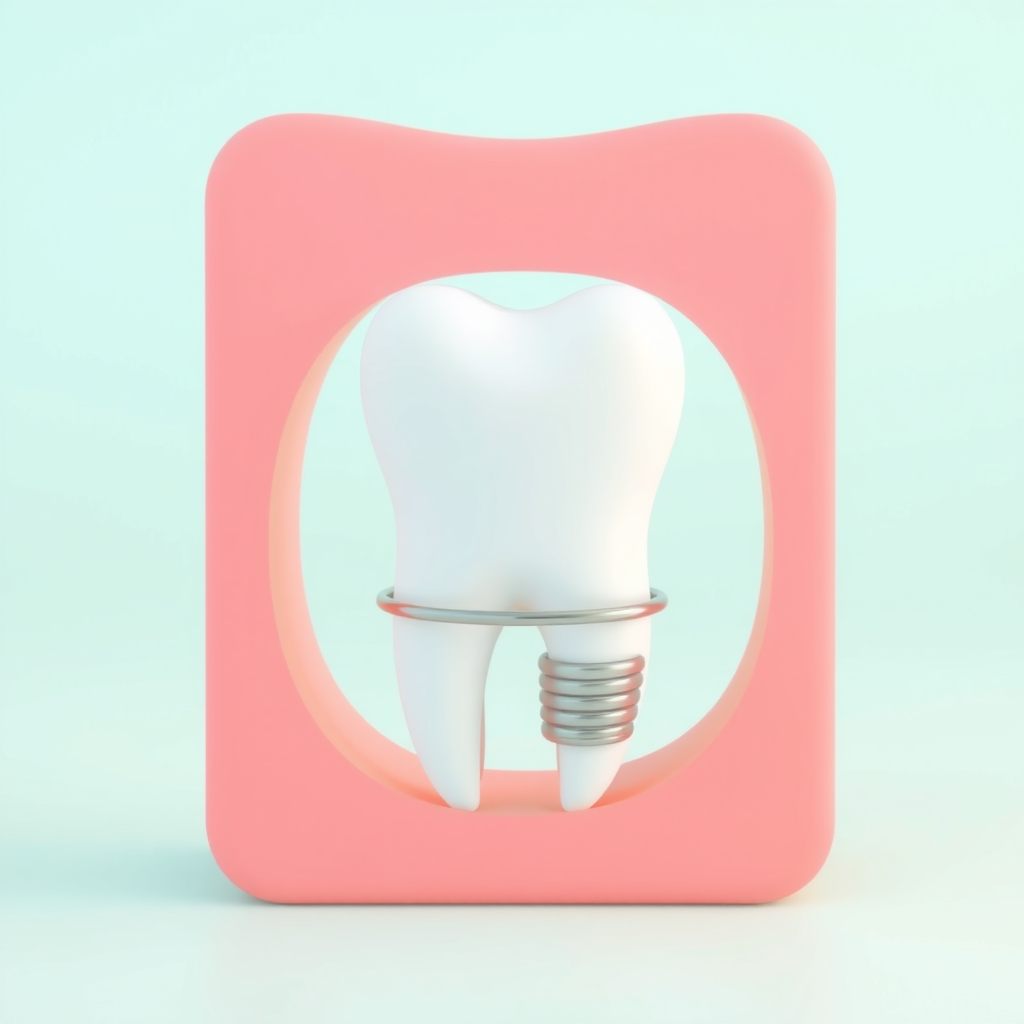
A space maintainer is a small custom-made dental appliance, usually made of metal or a combination of metal and acrylic, that fits in the gap left by a missing baby tooth. Its job is simple: to hold that space open until the permanent tooth underneath is ready to erupt naturally.
Baby teeth are not just placeholders for appearance. They guide the permanent teeth into their correct position and maintain spacing along the jaw. When one falls out too soon, nearby teeth can start shifting into the gap within weeks.
Types of Space Maintainers
- Band and loop maintainer: Used when a single tooth is lost, with a band on the neighbouring tooth and a loop extending into the space.
- Distal shoe appliance: Used when a baby molar is lost before the first permanent molar has erupted, guiding that molar into its correct path.
- Lingual or transpalatal arch: Used when teeth are missing on both sides of the lower or upper jaw, connecting across the arch for stability.
- Removable space maintainers: Occasionally used for older children, though these require good compliance since they can be taken out.
Why Early Tooth Loss Needs Attention
Each baby tooth has a natural timeline for falling out, usually matched closely with the permanent tooth underneath being ready to emerge. When a tooth is lost ahead of schedule, that timeline is disrupted.
The teeth next to the gap tend to tilt or drift sideways, and teeth in the opposite jaw may even over-erupt into the space. This narrows the area available for the permanent tooth, which can later erupt crooked, get stuck below the gum, or come in badly aligned with the rest of the bite.
Common Consequences of Skipping a Space Maintainer
- Crowding of permanent teeth due to reduced space
- Delayed or impacted eruption of the permanent tooth
- Shifting bite alignment affecting chewing
- Greater likelihood of needing orthodontic treatment later
How Space Maintainers Prevent These Problems
By holding the gap at its natural width, a space maintainer gives the permanent tooth a clear, correctly sized path to erupt into. This reduces the chances of crowding and keeps the bite developing evenly on both sides of the jaw.
Dentists usually assess the child's dental X-rays to see how close the permanent tooth is to erupting and decide whether a space maintainer is truly needed, since not every early loss requires one. For example, losing a front tooth close to its natural shedding time may need no intervention at all.
What Parents Can Expect During Treatment
Fitting a space maintainer is usually a comfortable, straightforward visit involving an impression of the mouth to create a custom-fit appliance. Once placed, children generally get used to it within a few days.
Routine follow-up visits are important to check that the appliance is intact and the permanent tooth is progressing normally. Parents should also reinforce good brushing habits around the appliance, since food particles can collect near the bands.
Caring for a Space Maintainer
- Encourage gentle brushing around the appliance twice daily
- Avoid sticky sweets, chewing gum, and hard foods
- Discourage pushing or pulling at the appliance with fingers or tongue
- Keep up with scheduled dental check-ups to monitor progress
| Situation | Typical Recommendation |
|---|---|
| Baby molar lost years before replacement due | Space maintainer generally advised |
| Front tooth lost close to natural shedding age | Often monitored without an appliance |
| Multiple teeth lost on one side | Arch-based maintainer may be considered |
If your child in Chhatarpur, New Delhi has lost a baby tooth earlier than expected, it is worth getting a professional opinion promptly. Early assessment makes it easier to protect the space and support healthy alignment of the permanent teeth as they come in.
Have questions about your teeth?
Dr Vijay's Dental SPA · Chhatarpur Enclave, New Delhi
Frequently asked questions
At what age do children usually need space maintainers
There is no fixed age. Space maintainers are considered whenever a baby tooth is lost well before its natural permanent replacement is due, which can happen anywhere between ages 2 and 10 depending on the tooth.
Can my child eat normally with a space maintainer
Yes. Most children adjust within a few days. We usually advise avoiding very sticky or hard foods like chewing gum, toffees, and hard candies that could loosen or damage the appliance.
What happens if we skip the space maintainer
Neighbouring teeth can drift into the empty space, which often leads to crowding, blocked eruption paths, and sometimes the need for braces later. A space maintainer is usually simpler and more affordable than correcting these issues afterward.
How long does a child need to wear one
It depends on the child's age and which tooth was lost. Your dentist will monitor dental X-rays and development, removing the appliance once the permanent tooth is ready to erupt.
Treatment costs mentioned on this page are indicative ranges for the Chhatarpur, New Delhi region. Your exact cost depends on your case and will be confirmed after a clinical examination at the clinic.