Water Flosser vs String Floss: Which One Should You Choose
Brushing alone cleans only about 60 percent of your tooth surfaces. The rest, the tight spaces between teeth and along the gumline, need a dedicated interdental cleaning method. Many patients at our Chhatarpur, New Delhi clinic ask us whether a water flosser is "good enough" to replace traditional string floss. The honest answer is that both have strengths, and the right choice depends on your mouth, your habits, and your budget.
How Water Flossers Work
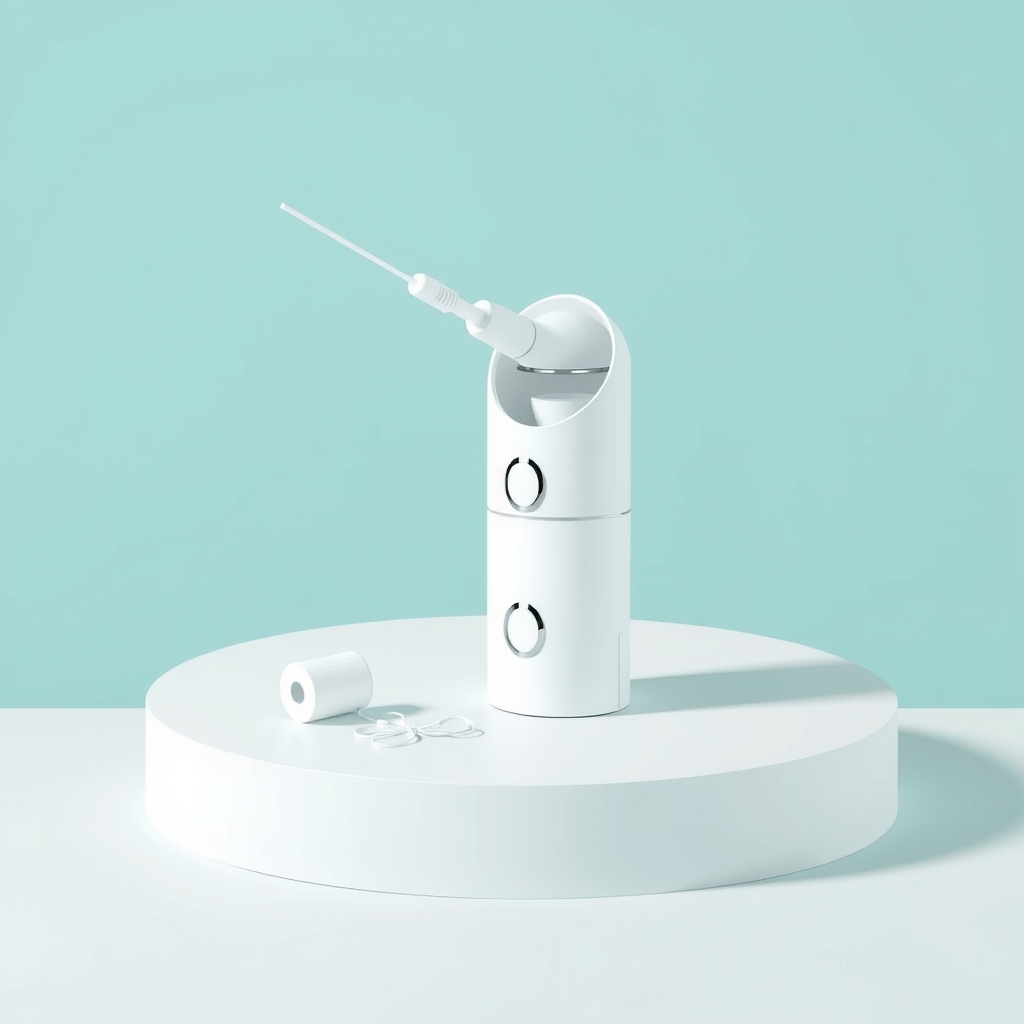
A water flosser uses a thin, pressurized stream of water to dislodge food particles and loosen plaque between teeth and along the gumline. It is often recommended for people with braces, bridges, implants, or limited hand dexterity, since there is no string to thread through tight spaces.
How Traditional String Floss Works
String floss physically scrapes plaque off the tooth surface as it slides up and down between teeth. This mechanical scraping action is particularly effective at breaking up sticky plaque biofilm that water alone cannot always remove, especially in very tight contact points between teeth.
Effectiveness: What Does the Evidence Suggest
Several studies comparing the two methods suggest water flossers can be more effective at reducing gum bleeding and inflammation, particularly in people who do not floss consistently with string. However, for removing actual plaque biofilm stuck tightly between teeth, traditional floss still has an edge in many comparisons, largely because of its direct scraping action.
- Water flosser strengths: easier around braces, implants, and bridges; gentler on sensitive gums; good at flushing out trapped food.
- String floss strengths: better at removing stubborn plaque in tight contacts; no equipment needed; works well in every part of the mouth.
Ease of Use
This is where most patients make their final decision. String floss requires some hand coordination and practice to use correctly without hurting the gums. Many people give up on it simply because it feels fiddly, especially with limited reach at the back teeth. A water flosser is often easier for children, older adults, and anyone with arthritis or limited dexterity, since it only requires guiding a wand along the gumline.
Travel and Daily Convenience
String floss wins here. A small spool fits in any pocket or bag, while a water flosser needs a power source, water, and counter space, making it less practical for travel or office use.
Cost Comparison
| Method | Typical Range (Chhatarpur, New Delhi) | Ongoing Cost |
|---|---|---|
| String floss | Rs. 50 to Rs. 150 per spool | Low, replace every few weeks |
| Basic water flosser | Rs. 1,500 to Rs. 3,500 (one-time) | Occasional replacement tips, Rs. 200 to Rs. 500 |
| Advanced/cordless water flosser | Rs. 4,000 to Rs. 8,000 (one-time) | Similar tip replacement cost |
These are typical ranges and actual prices vary by brand and features. String floss is far cheaper upfront, but a water flosser is a one-time investment that can last for years with basic care.
Who Should Choose What
- Choose string floss if: you have naturally tight tooth contacts, want a low-cost option, or already floss comfortably and consistently.
- Choose a water flosser if: you have braces, implants, bridges, or sensitive gums, or you simply find string floss difficult to use regularly.
- Consider both if: you want maximum plaque control, using string floss for tight spots and a water flosser for overall gumline cleaning.
Our Recommendation
The best interdental cleaning tool is the one you will actually use every single day. If string floss feels like a chore and you keep skipping it, a water flosser that you use consistently is far more valuable than a "better" method you avoid. During your regular check-up at our Chhatarpur, New Delhi clinic, we can look at your tooth spacing, gum health, and any dental work you have, and suggest which method, or combination, will serve you best.
If you are unsure which option suits your mouth, bring your questions to your next visit. A quick look at your gum health can help settle the water flosser versus string floss debate for good.
Have questions about your teeth?
Dr Vijay's Dental SPA · Chhatarpur Enclave, New Delhi
Frequently asked questions
Can a water flosser fully replace string floss?
For most people, a water flosser is a good substitute and may be easier to use daily. However, if you have tightly spaced teeth or are managing early gum disease, your dentist may still recommend string floss or a combination of both for the best plaque removal.
Which is better for braces or implants?
Water flossers are generally easier and more effective around braces, bridges, and dental implants because they can flush out food debris from spots that string floss struggles to reach.
Do water flossers cause any gum damage?
When used at a moderate pressure setting, water flossers are safe for most people. Starting on a low setting and gradually increasing pressure helps avoid temporary gum sensitivity.
How often should I floss, regardless of the method?
Once a day is generally recommended, ideally before or after brushing at night. Consistency matters more than the specific tool, so choose the one you will actually use regularly.
Treatment costs mentioned on this page are indicative ranges for the Chhatarpur, New Delhi region. Your exact cost depends on your case and will be confirmed after a clinical examination at the clinic.