Can Oral Probiotics Really Improve Your Mouth Health?
Your mouth is home to hundreds of species of bacteria. Some of them protect your teeth and gums, while others cause cavities, bad breath, and gum disease when they grow out of balance. Oral probiotics are a newer, natural approach that many patients in Chhatarpur, New Delhi are curious about. This article explains what the science says and how you can use diet and supplements sensibly alongside your regular dental care.
What Are Oral Probiotics?
Oral probiotics are live, beneficial bacteria strains designed specifically for the mouth, unlike standard gut probiotics. Common strains studied for dental use include Lactobacillus reuteri, Streptococcus salivarius, and certain Lactobacillus species. These strains work by competing with harmful bacteria for space and nutrients on the teeth and gums, which can help shift the balance toward a healthier mouth environment.
How Mouth Bacteria Balance Affects Oral Health
A healthy mouth is not bacteria-free. It simply has more good bacteria than harmful ones. When harmful bacteria like Streptococcus mutans and Porphyromonas gingivalis dominate, they produce acids and toxins that lead to problems.
- Cavities: Harmful bacteria feed on sugar and produce acid that wears down enamel.
- Bad breath: Certain bacteria release sulfur compounds that cause persistent odor.
- Gum disease: An overgrowth of specific bacteria triggers inflammation, leading to bleeding gums and, over time, bone loss around teeth.
Probiotics aim to reduce the dominance of these harmful species, supporting your natural defenses rather than replacing them.
What Does the Research Show?
Clinical studies on oral probiotics are still growing but show encouraging, modest results. Several trials suggest that regular use of specific probiotic strains can reduce plaque buildup, ease gum inflammation, and lower bad breath scores. However, results vary by strain, dose, and individual mouth chemistry. Probiotics work best as a supportive habit, not a standalone cure for existing dental disease.
Probiotic-Rich Foods That May Help
You do not always need a supplement to support healthy mouth bacteria. Everyday foods can contribute too.
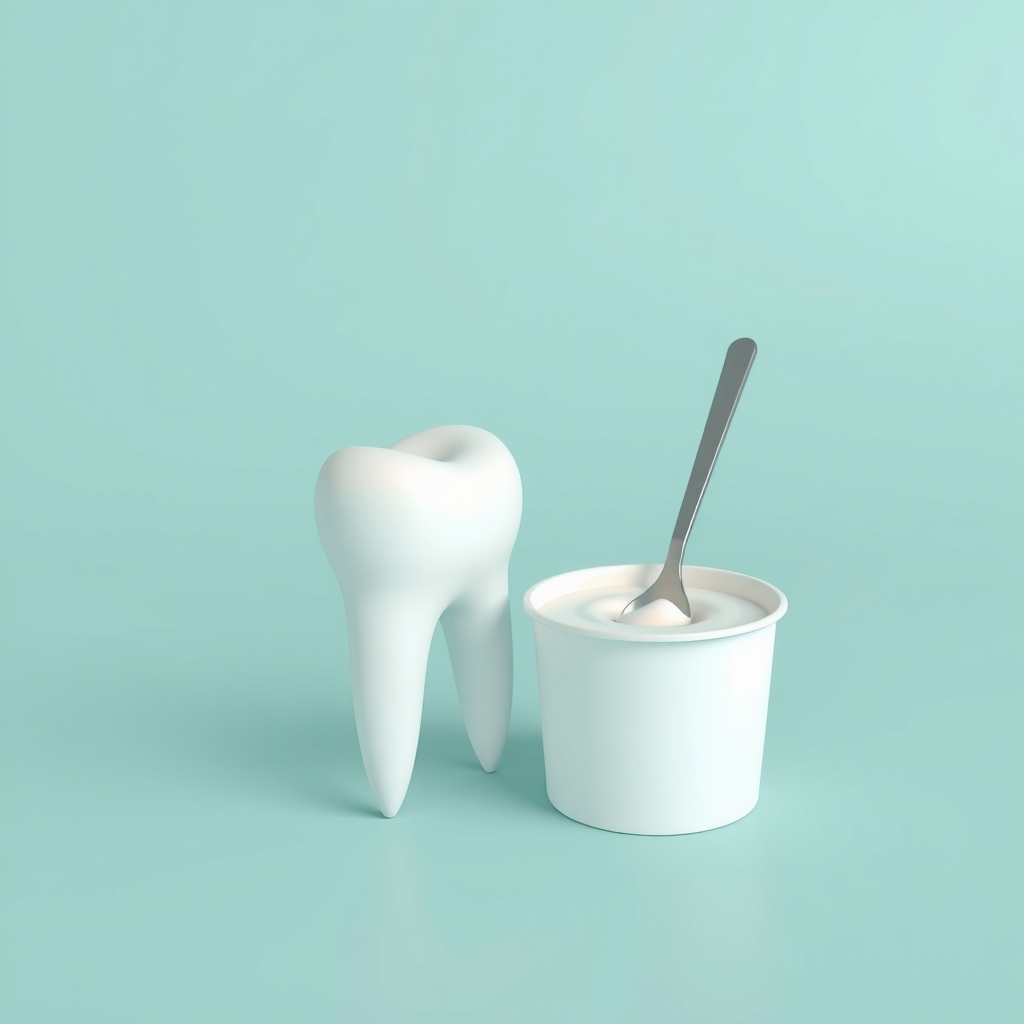
- Plain yogurt with live active cultures
- Fermented vegetables like pickles and kimchi made without excess sugar or vinegar acidity
- Buttermilk (chaas), a familiar option in many Delhi households
- Idli and dosa batter, which undergo natural fermentation
- Kefir, if available, for a broader range of beneficial strains
These foods support general gut health, which is linked to oral health, though their direct effect on mouth bacteria is milder than targeted oral probiotic lozenges or chewable tablets.
How to Use Oral Probiotics Correctly
- Choose lozenges, chewable tablets, or mouth strips specifically formulated for oral use rather than gut-focused capsules.
- Use them after brushing, ideally at a different time than antibacterial mouthwash, since mouthwash can kill the beneficial bacteria along with the harmful ones.
- Be consistent. Daily use for several weeks is usually needed to notice a difference in breath or gum comfort.
- Continue your regular brushing, flossing, and dental checkups. Probiotics work alongside good hygiene, not instead of it.
Who Should Be Cautious
Most people tolerate oral probiotics well. However, patients with weakened immune systems, those recovering from major dental surgery, or anyone with a central venous catheter should check with their doctor first, as live bacteria supplements carry a small theoretical infection risk in these specific situations.
| Approach | Best For | Typical Time to Notice Change |
|---|---|---|
| Probiotic lozenges/tablets | Bad breath, mild gum inflammation | 2 to 6 weeks |
| Probiotic foods (yogurt, fermented foods) | General gut and oral support | Varies, often subtle |
| Combined with good brushing/flossing | Cavity and gum disease prevention | Ongoing, cumulative benefit |
When to See a Dentist Instead of Relying on Probiotics Alone
If you already have bleeding gums, persistent bad breath despite good hygiene, visible cavities, or loose teeth, probiotics alone will not resolve these. A dental checkup can identify the actual cause and the right treatment, whether that is a professional cleaning, cavity filling, or gum therapy. Think of probiotics as a preventive and supportive habit for patients in Chhatarpur, New Delhi who want to maintain results after treatment or reduce their risk of future problems.
A Balanced, Practical Approach
Oral probiotics are a promising addition to your dental care routine, especially when paired with a balanced diet low in refined sugar, regular brushing and flossing, and routine dental visits. They are not a replacement for professional care but can genuinely help tip the bacterial balance in your favor over time.
Have questions about your teeth?
Dr Vijay's Dental SPA · Chhatarpur Enclave, New Delhi
Frequently asked questions
How long do oral probiotics take to show results?
Most people notice fresher breath within two to four weeks of regular use. Gum health improvements usually take six to eight weeks since tissue healing is slower than bacterial changes.
Can I take oral probiotics along with regular toothpaste and mouthwash?
Yes, but avoid using antibacterial mouthwash right before or after probiotic lozenges, as it can kill the beneficial bacteria too. Space them out by a few hours.
Are probiotic foods enough, or do I need supplements?
Probiotic foods like yogurt and fermented vegetables support general gut and oral health, but dental-specific strains such as Lactobacillus reuteri or Streptococcus salivarius found in lozenges are better studied for mouth bacteria balance.
Can probiotics replace brushing, flossing, or dental visits?
No. Probiotics are a helpful addition, not a substitute. Brushing twice daily, flossing, and regular checkups at a dental clinic remain essential for preventing cavities and gum disease.
Treatment costs mentioned on this page are indicative ranges for the Chhatarpur, New Delhi region. Your exact cost depends on your case and will be confirmed after a clinical examination at the clinic.